Many people think a concussion is a “minor” injury and a traumatic brain injury (TBI) is something much worse. In everyday conversation, that sounds right. However, in the legal world, it is more complicated.
A concussion is a type of traumatic brain injury. But the label used by doctors, insurance companies, and lawyers can make a major difference in how a legal claim is handled and how much compensation is available.
In Georgia injury cases, the difference between a concussion and a traumatic brain injury often determines whether an insurance company takes a claim seriously or tries to downplay it. That difference can affect medical care, long-term planning, and financial recovery.
Brain injuries that create lasting limitations are often handled as catastrophic injury claims, which we explain in detail on our Georgia catastrophic injury lawyer page.
A Concussion Is a Traumatic Brain Injury
Medically speaking, a concussion is a mild traumatic brain injury usually caused by blunt force. It happens when the brain is shaken inside the skull due to a blow or sudden deceleration or acceleration. This can occur in car accidents, truck crashes, falls, and other serious incidents.
Even though concussions are classified as TBIs, insurance companies often treat them as temporary problems. They may assume symptoms will resolve quickly and that the injured person will “return to normal.”
That assumption is not always correct.
Some people may recover fully from a concussion. Others do not. When symptoms last months or years, or when they permanently change how a person thinks, works, or lives, the injury may go far beyond what people typically think of as a concussion.
How Doctors Classify Brain Injuries
Doctors often describe brain injuries using terms like mild, moderate, or severe. These labels are based on things like loss of consciousness, memory disruption, and initial test results.
The problem is that the word mild can be misleading.
A “mild” traumatic brain injury does not mean mild consequences. The focus is on whether the injury causes permanent limitations, which we explain in what makes a catastrophic injury permanent.
Many people with mild TBIs experience long-term problems such as:
- Memory loss
- Trouble concentrating
- Mood changes
- Headaches
- Sensitivity to light or noise
- Difficulty returning to their daily routine
- Difficulty working or learning
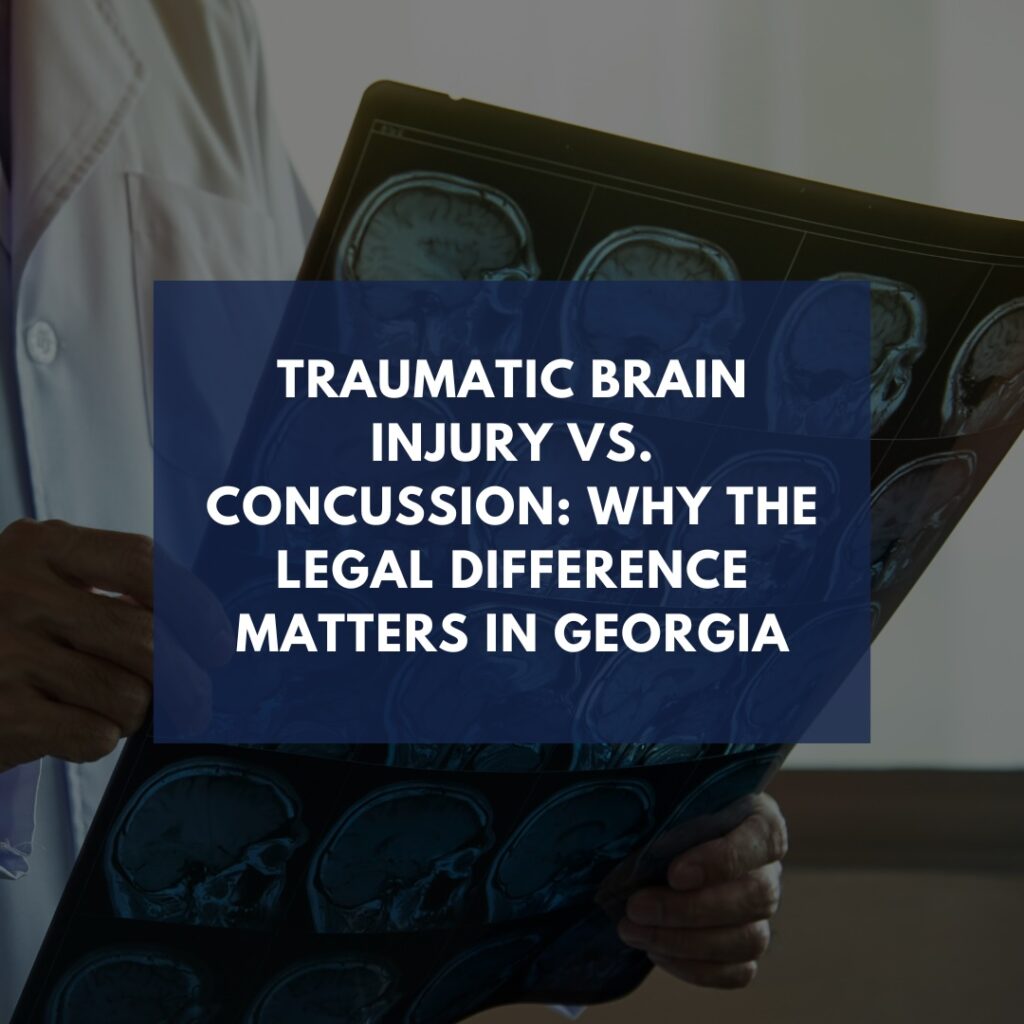
Brain injuries also do not always show up on CT scans or MRIs. A normal scan does not mean the brain is functioning normally. This creates challenges when someone needs to prove how serious their injury really is.
Why Insurance Companies Treat Concussions and TBIs Differently
Insurance companies rely heavily on labels.
When a medical record says “concussion,” insurers often assume:
- The injury is temporary
- The person will recover quickly
- No long-term care is needed
When a diagnosis says “traumatic brain injury,” insurers tend to respond differently. They expect:
- Ongoing treatment
- Possible long-term impairment
- Higher medical and financial costs
Because of this, insurance companies often try to frame a brain injury as a simple concussion, even when symptoms continue. Early settlement offers are common in these cases, before the full impact of the injury becomes clear.
This is important because once a settlement is accepted, the case is over forever, even if symptoms worsen.
When a Brain Injury Becomes a Catastrophic Injury Under Georgia Law
Not every concussion becomes catastrophic. But some brain injuries meet the legal standard for a catastrophic injury under Georgia law.
A brain injury may be considered catastrophic when it leads to:
- Permanent cognitive impairment
- Inability to return to work
- Long-term medical treatment
- Loss of independence
- Major changes in daily life
The key issue is the impact in the life of the injured, not the label alone.
If a brain injury permanently affects how a person thinks, works, or functions, it may qualify as a catastrophic injury. These cases require a different legal approach because they involve lifelong consequences, not short-term recovery.
To better understand where that legal line is drawn, review our guide on what qualifies as a catastrophic injury under Georgia law.
Proving a Brain Injury Without Visible Imaging
One of the hardest parts of brain injury cases is proof.
Because concussions and TBIs often do not appear on imaging tests, proof relies on other forms of evidence, including:
- Neuropsychological testing
- Treating physician evaluations
- Testimony from family members
- Changes in work performance
- Documentation of daily limitations
Doctors may compare how a person functioned before the injury to how they function afterward. This helps show the real impact of the injury, even when scans look normal.
Strong documentation is critical. Without it, insurance companies may argue that symptoms are exaggerated or unrelated.
How a Brain Injury Diagnosis Affects Settlement Value in Georgia
The way a brain injury is classified directly affects how a claim is valued.
When an injury is treated as a short-term concussion, compensation often focuses on:
- Initial medical care
- Short periods of missed work
- Temporary pain
When an injury is recognized as a traumatic brain injury with permanent effects, the focus changes. These cases may involve:
- Long-term medical care
- Cognitive therapy
- Loss of earning ability
- Reduced quality of life
Brain injuries with permanent effects often lead to higher compensation because of long-term costs, which we explain in why catastrophic injuries lead to higher compensation. These brain injuries require expert evaluations and long-term planning. That planning is what separates lower-value claims from catastrophic injury cases.
Frequently Asked Questions About TBIs and Concussions
Is a concussion considered a traumatic brain injury?
Yes. A concussion is a form of traumatic brain injury, even though it is often described as mild.
Can a concussion become a catastrophic injury?
Yes. If symptoms persist and permanently affect a person’s ability to work or live independently, the injury may be considered catastrophic.
Why don’t brain injuries always show up on scans?
Many brain injuries affect how the brain functions rather than its structure. These changes do not always appear on CT scans or MRIs.
How long do brain injury symptoms last?
Some people recover within weeks. Others experience symptoms for months or years. In severe cases, symptoms may be permanent.
Why the Difference Between a Concussion and TBI Matters After an Accident
Brain injuries are not always visible, but their effects can be life-changing. The difference between a concussion and a traumatic brain injury is not just medical. It is legal and financial as well.
When an injury permanently alters someone’s future, it must be treated that way from the start. Correct classification, proper documentation, and long-term planning are essential.
At Brodie Law Group, we help families across Georgia navigate serious and catastrophic injury cases. If you or a loved one suffered a brain injury and are unsure how serious it may be, it is important to understand your legal options before making decisions that cannot be undone.
Call us for help at (478) 239-2780.