When Companies Put Dangerous Drivers on the Road
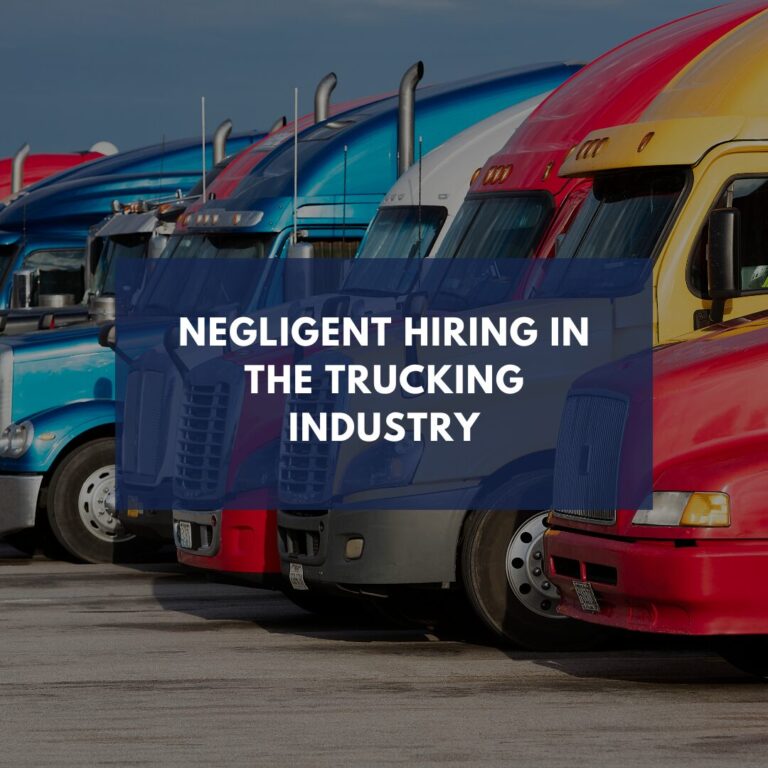
Imagine a massive 18-wheeler barreling down an interstate in Georgia and the driver behind the wheel has already lost their license in the past for drunk driving. It sounds like a nightmare, but it happens more often than you’d think. And when trucking companies look the other way, people can get seriously hurt. Our Georgia truck accident lawyers see the devastating results of these hiring failures far too often.
In Georgia, this isn’t just poor decision-making, it’s negligent hiring. That means a trucking company can be held legally responsible right alongside the driver when their hiring decisions lead to devastating crashes.
Georgia law is clear: if a company skips safety checks and hires unqualified or dangerous drivers, they can’t later claim innocence when tragedy strikes.
What Is Negligent Hiring?
Negligent hiring happens when a trucking company gives the keys to someone who should never be operating a commercial vehicle. These are drivers with red flags that any responsible trucking employer would catch during the screening process as required under FMCSR § 391.23 and would be disqualified from operating a commercial motor vehicle based on the factors outlined under FMCSR § 391.15. Some disqualifications include the following:
- Past DUI arrests or drug convictions
- Suspended or revoked licenses
- Multiple at-fault accidents
- Failed drug or alcohol tests
- Lack of proper CDL training or certification
When a company ignores these warning signs, often to cut costs or fill positions quickly, they gamble with other people’s lives on the road. And when that gamble fails, those bad hiring practices become evidence of negligence in court.
Negligent Hiring vs. Vicarious Liability
Negligent hiring and retention claims are based on the trucking company’s own direct negligence, not just the driver’s conduct. This is different from vicarious liability (where the company is responsible simply because the driver was acting within the scope of employment). Even if a trucking company admits agency, a separate negligent hiring claim can still support punitive damages if the company’s hiring practices show reckless disregard for public safety.
Georgia Law on Negligent Hiring
Georgia law allows victims to hold both the driver and the trucking company accountable.
- O.C.G.A. § 51-1-6 allows recovery for harm caused by another’s unlawful act.
- O.C.G.A. § 51-2-2 holds employers liable for the actions of employees committed within the scope of their employment.
Together, these Georgia laws ensure trucking companies are accountable when unsafe hiring practices cause serious crashes.
Federal Driver Screening Requirements (FMCSR)
Under the Federal Motor Carrier Safety Regulations (FMCSR), trucking carriers must verify that every driver is competent and qualified. This includes checking:
- Prior employer references and accident history
- Motor Vehicle Records (MVRs) for the past three years
- Pre-employment drug and alcohol test results
- Valid medical examiner’s certification
- CDL verification and road testing
Constructive Knowledge and 49 C.F.R. § 391.23
When companies skip these required steps, the law assumes they “should have known” about a driver’s dangerous record. Under 49 C.F.R. § 391.23, this is known as imputed or constructive knowledge; meaning a carrier is legally deemed to know whatever a proper background check would have revealed. This prevents carriers from claiming ignorance when negligence causes injury.
FMCSA PSP Reports (Pre-Employment Screening Program)
The FMCSA’s Pre-Employment Screening Program (PSP) is another vital tool. It provides carriers with a driver’s crash, inspection, and violation history. Failing to review this report can be a strong indicator of negligent hiring. You can also look up the motor carrier’s violations, inspections, and crash history by checking the trucking company’s safety record.
The Role of Insurers in Negligent Hiring
In smaller trucking operations, insurance companies often play a major role in screening drivers. Many carriers rely on their insurers to decide whether a driver is “insurable.” If an insurer undertakes that screening process but approves a clearly unqualified driver, for example, one with multiple DUIs or recent safety violations.
The insurer itself may share responsibility for negligently undertaking the hiring process. This can create an additional avenue of liability when the driver later causes a serious crash. In many trucking cases, compensation depends on uncovering hidden insurance layers in trucking cases beyond the policy the driver hands over at the scene.
Why Negligent Hiring Matters in Trucking Cases
Trucking companies aren’t hiring someone to sit in an office. They’re placing drivers behind 80,000-pound vehicles that share the road with families, commuters, and school buses. When companies skip vital safety checks, the results can be catastrophic when an accident occurs.
Negligent hiring claims help:
- Expose unsafe company practices
- Hold companies accountable, not just the driver
- Strengthen compensation claims for victims
- Pressure the industry to raise safety standards
Trucking companies must also perform annual driver reviews. If they ignore new violations, DUIs, or disqualifications, they may face negligent retention liability for keeping unsafe drivers on the road.
Evidence Truck Accident Lawyers Look For
In every truck accident investigation, attorneys must gather and analyze every available piece of evidence, including:
- Driver Qualification Files (DQFs)
- FMCSA and PSP safety reports
- Criminal and employment background checks
- Drug and alcohol testing results
- Company safety and maintenance logs
- Medical certificates and annual review documentation
A missing or falsified record can serve as powerful evidence of negligence during litigation. That’s why preserving documents early matters in every trucking claim. Learn more about spoliation of evidence in Georgia trucking cases.
Punitive Damages in Negligent Hiring Cases
When trucking companies act with reckless disregard, such as knowingly hiring drivers with DUIs or falsified records, Georgia courts may award punitive damages. These damages punish the company for putting profits ahead of public safety and serve as a deterrent to other carriers that may cut corners on safety.
FAQs About Negligent Hiring in Georgia Trucking Cases
1. How do I know if negligent hiring applies to my crash?
If the driver had a known record of DUIs, violations, or prior crashes and the company ignored it, negligent hiring likely applies. A Georgia truck accident lawyer can review FMCSA and PSP reports to confirm this.
2. Can I sue the trucking company directly?
Yes. Georgia law allows direct claims against trucking companies for negligent hiring, supervision, or retention.
3. What if the driver had no red flags?
Negligent hiring may not fit, but you could still pursue claims for negligent training, supervision, or inspection under FMCSR regulations.
4. Can I sue a trucking company for hiring a dangerous driver?
Yes. In Georgia, you can sue both the driver and the trucking company for negligent hiring or supervision when unsafe hiring practices lead to a crash.
Taking the Next Step: Talk to a Georgia Truck Accident Lawyer
Don’t let a trucking company blame everything on “driver error” when their own hiring practices may be the real cause of the crash. At Brodie Law Group, our Georgia truck accident lawyers dig into company records, FMCSA data, and safety files to expose negligent hiring, training, or supervision that led to your injuries.
If you or a loved one were injured in a trucking crash, call us at (478) 239-2780 to get help today.